


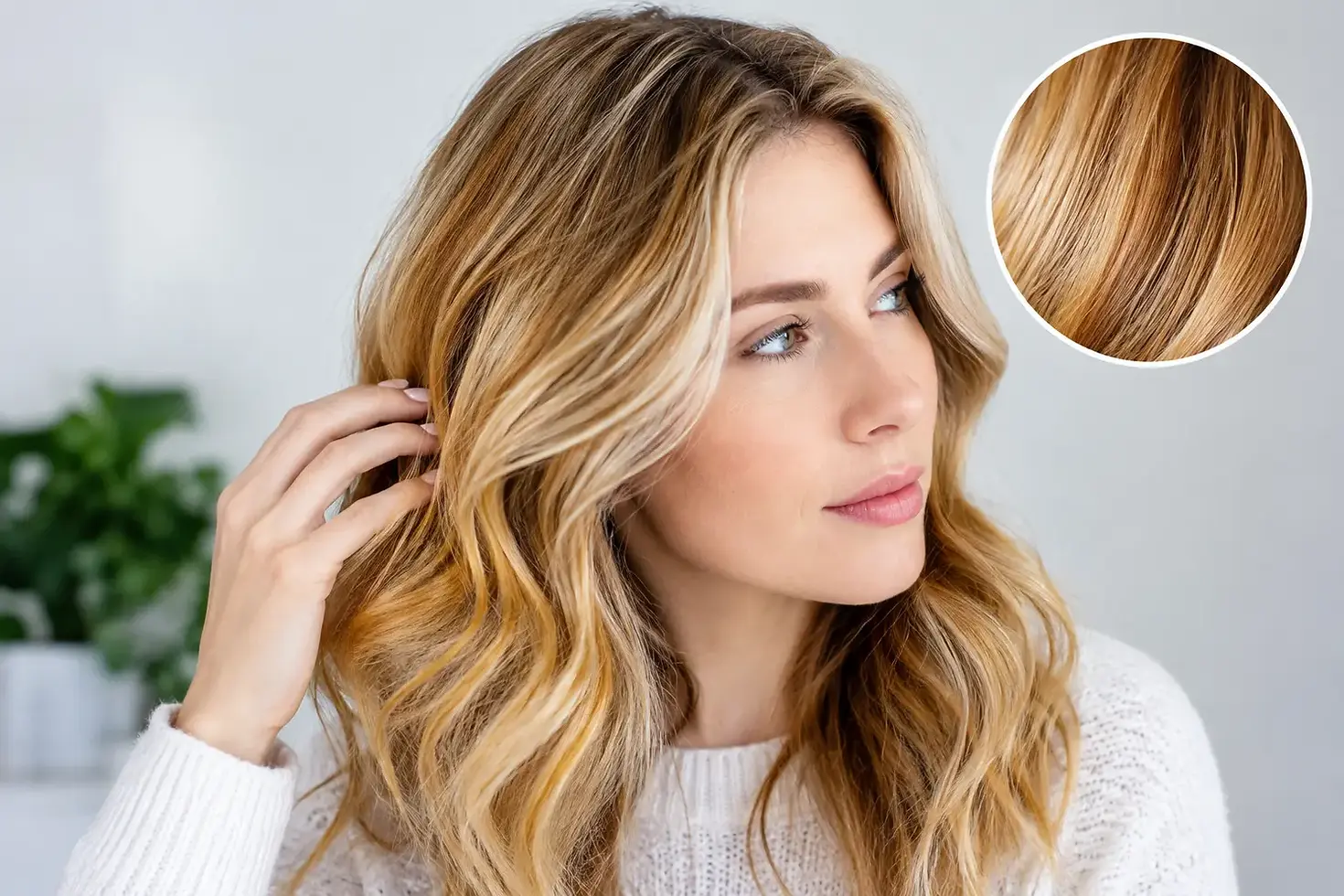
Brassy Hair Causes and How to Keep Color Cool

A bright blonde that suddenly looks yellow, a brunette highlight that pulls orange, or silver strands that turn dull can feel like your color changed overnight. In reality, brassy hair causes are usually a combination of what happened during your color service and what your hair encounters between appointments. The good news: warmth is predictable, and with the right plan, it is manageable.
Brassiness is not always a sign that your colorist got it wrong. Hair color is a living finish. It shifts with washing, sun exposure, heat styling, product choices, and your hair’s natural underlying pigment. A personalized color plan accounts for all of that, not just the shade you love when you leave the salon.
What Does Brassy Hair Actually Mean?
“Brassy” describes unwanted warm tones that show up as yellow, gold, orange, or red. The exact shade depends on your starting color and how light your hair has been lifted. Very light blonde hair tends to reveal pale yellow. Darker blondes and light brunettes may show gold or orange, while deeper brunettes can pull red-orange.
This happens because every hair color has underlying pigment. When hair is lightened, those warm pigments are exposed in stages. Dark hair moves through red and orange before it reaches yellow; blonde hair still has yellow underneath, even when it looks icy or beige on day one. Toner, gloss, and strategic color placement refine those exposed tones, but they do not permanently erase them.
That distinction matters. If your hair did not lift to the right level for your desired result, a toner can improve the look, but it may fade back warm sooner. If your hair did lift properly and the color now looks brassy, the issue may be fading, mineral buildup, or at-home maintenance.
The Most Common Brassy Hair Causes
Toner and gloss naturally fade
A toner or gloss gives highlights, balayage, blonding, and gray blending their polished finish. It can make yellow appear creamy, orange look softer, or hair look cooler and more reflective. Because it is a deposit-only service, though, it gradually fades with shampooing and everyday wear.
How quickly it fades depends on your hair’s porosity, how often you wash, your water, and your home routine. Someone who shampoos daily, swims often, or uses high heat may need a refresh sooner than someone who washes two or three times a week. This is why a gloss appointment can be the perfect in-between service for clients who want their color to stay expensive-looking without committing to a full highlight appointment.
Your hair was lifted, but not lifted enough
Going lighter is not a single-step process for most people. A natural brunette hoping for cool, bright blonde may need multiple carefully spaced sessions to reach that goal while protecting the hair’s condition. Trying to force too much lift in one appointment can compromise the hair, while stopping earlier in the process can leave a stronger orange or gold foundation behind.
There is a trade-off here. Coolest-possible color is not always the healthiest choice for every head of hair. A skilled colorist will help you choose a tone and timing that flatter you while respecting your hair history, texture, and integrity. Sometimes a dimensional beige blonde, soft caramel blend, or rich neutral brunette will stay beautiful longer than a shade that fights your natural level at every turn.
Minerals in water can leave a warm cast
Hard water contains minerals that can cling to the hair, making lightened pieces appear darker, duller, or more orange than usual. In South Florida, frequent pool days can add another layer of concern. Chlorine, copper, sunscreen, and pool minerals may affect both the tone and feel of color-treated hair.
A simple clue is hair that feels coated or looks warm no matter how faithfully you use purple shampoo. In that case, adding more pigment may not solve the real issue. A professional clarifying or chelating treatment can remove mineral buildup before a gloss or toner is applied, allowing the color to look clearer and more even.
Sun, heat, and humidity speed up fading
Boca Raton sunshine is beautiful, but UV exposure can fade artificial pigment and reveal warmth underneath. Heat styling has a similar effect, especially when a flat iron or curling iron is used at a high temperature without thermal protection. Even frequent hot showers can contribute to faster color fade.
You do not have to give up your blowout or beach day. Use a heat protectant before styling, lower the tool temperature when possible, and wear a hat when you know you will be in direct sun for hours. Rinsing hair with fresh water after swimming and cleansing it with a color-safe shampoo can also make a noticeable difference.
The wrong shampoo can work against your color
Clarifying shampoos, dandruff formulas, harsh cleansers, and some drugstore products can strip toner and gloss faster than expected. Purple shampoo is helpful for yellow tones, but it is not a universal answer. Blue shampoo is generally better for orange tones, while a violet formula neutralizes pale yellow. Using the wrong one may do very little, and using either too often can leave hair dry, muted, or slightly lavender.
Think of toning shampoo as maintenance, not a replacement for salon color. Use it as directed by your stylist, usually once or twice a week, and follow with a nourishing conditioner or mask. If your hair is porous, professional guidance matters even more because it can grab toning pigment unevenly.
Old color and uneven porosity create patchy warmth
Hair with years of highlights, box color, previous dark dye, or chemical services often has different levels of porosity from roots to ends. More porous areas release tone quickly and may look warmer or duller than healthier sections. This is especially common on the ends, where hair has had the most sun, styling, and mechanical stress.
That is why color correction is never one-size-fits-all. A stylist may use different formulas, placement, processing times, or bond-supporting treatments across the head. The goal is not simply to make hair cooler. It is to create a balanced, wearable result that fades gracefully.
How to Prevent Brassiness Between Appointments
The strongest maintenance routine is usually simple and consistent. Choose salon-recommended, sulfate-conscious products designed for color-treated hair. Wash in lukewarm water rather than very hot water, use heat protection every time you style, and avoid piling on purple or blue shampoo when hair is already dry.
If you swim regularly, wet your hair with clean water first, apply a leave-in conditioner when appropriate for your hair type, and rinse promptly afterward. A weekly hydrating mask can also help because healthy hair holds color better than dehydrated, overly porous hair.
Pay attention to the type of warmth you are seeing. Yellow around the face may call for a violet-toned refresh, while orange through brunette highlights may need a blue-based approach or a professional gloss. A photo taken in natural daylight is useful when you are deciding whether it is time to come in. Bathroom lighting can make even beautifully toned hair look warmer than it really is.
When a Salon Refresh Is the Better Answer
If your hair is noticeably orange, uneven, overly dry, or taking on warmth just days after you tone it at home, book a consultation rather than experimenting with more products. Layering toning shampoos, home glosses, and box dye can make a future correction more complicated.
At Bliss Salon & Spa, the conversation starts with your goals, your color history, and the way you actually live with your hair. A quick gloss, toner, treatment, partial highlight, or more intentional color correction may be the right choice, depending on what is causing the warmth. You talk, we listen and collaborate, so your maintenance plan supports the look you love long after your appointment.
Brassy hair does not mean you have failed your color routine. It is simply feedback from your hair. Once you know whether the culprit is faded toner, exposed underlying pigment, mineral buildup, or daily wear, you can choose a solution that keeps your color luminous, healthy-looking, and unmistakably yours.


Comments