


How to Choose Hair Extensions That Look Natural

The best extensions are not the ones with the most dramatic before-and-after. They are the ones that move naturally, match your color beautifully, feel comfortable at brunch and in the Boca heat, and still look like your hair. Learning how to choose hair extensions starts with an honest conversation about your goals, your routine, and what your natural hair can comfortably support.
A little extra length is one goal. Fuller ends after a color refresh, a polished look for an event, or a long-term volume solution can be another. Those goals call for different extension methods, amounts of hair, and maintenance plans. The right choice should make getting ready feel more glamorous, not more complicated.
Start With the Result You Want
Before selecting a method, get specific about the look you want to see in the mirror. Do you want fullness through fine, sparse ends? Length that reaches your collarbone or waist? A temporary change for a wedding weekend? Or dimensional color without putting more lightener on your natural hair?
Length and volume are related, but they are not interchangeable. Adding a few strategically placed rows can create a fuller ponytail and make a blunt haircut feel more substantial. Going much longer than your current hair usually requires more hair and thoughtful blending, especially if your ends are fine. A great extension plan always accounts for where your own hair begins and ends.
Color is equally personal. Extensions can create gorgeous depth, lowlights, brightness around the face, or a lived-in balayage effect. But they should be custom matched, not chosen from one flat shade under overhead lighting. Natural-looking hair often has multiple tones, so a blend of shades may be the most believable choice.
How to Choose Hair Extensions by Method
There is no universal “best” method. The best option depends on your hair density, texture, scalp sensitivity, desired look, and willingness to maintain it. During a professional consultation, your stylist should look at all of those factors rather than simply recommending the trendiest method.
Hand-tied or weft extensions
Hand-tied and other weft extensions are applied in rows and can be an excellent option for clients who want noticeable fullness or length. Because the hair is distributed along a row, this method can create a beautifully blended, high-impact result with fewer individual attachment points.
They do require regular move-up appointments as your natural hair grows. The exact timing varies, but many clients return every six to eight weeks. If you love a polished routine, wear your hair down often, and are comfortable investing in maintenance, wefts may be a wonderful fit. If you frequently wear very high ponytails or prefer a low-maintenance beauty schedule, placement and method need extra consideration.
Tape-in extensions
Tape-ins sit flat against the head and can be a good choice for adding volume and modest length without a bulky feel. They are fast to apply and often work beautifully on fine to medium hair when installed with appropriate spacing and density.
The trade-off is that products near the adhesive matter. Oils, heavy conditioners, and certain styling habits can affect the tapes, so your at-home routine needs to be extension-friendly. They also need professional removal and reapplication, never a DIY pull or peel.
Keratin bond extensions
Keratin bond extensions are applied in small individual sections, which allows for flexible, customized placement. They can be especially helpful when you want movement, tailored volume, or coverage in areas where a row may not be ideal.
This method is a commitment. Application takes time, and the bonds are typically worn for several months before professional removal. They are not usually moved up and reused in the same way as certain weft or tape-in options. The payoff is a very customized finish, but the service and maintenance plan should fit your budget and schedule from the beginning.
Clip-ins and halo extensions
For a single event, vacation, or a first taste of longer hair, temporary extensions can be the smart choice. Clip-ins and halo extensions offer flexibility without a salon maintenance cycle. They are also useful when you only want occasional glamour.
They do not provide the same day-to-day ease as professionally installed options. Clip-ins need careful placement and blending, and wearing them too often or too tightly can put tension on the same areas of natural hair. Think of them as an accessory, not an around-the-clock solution.
Let Your Natural Hair Set the Limits
Your natural hair is the foundation. Even the most beautiful extension hair will not look or feel right if the installation is too heavy, too tight, or placed on hair that needs a break.
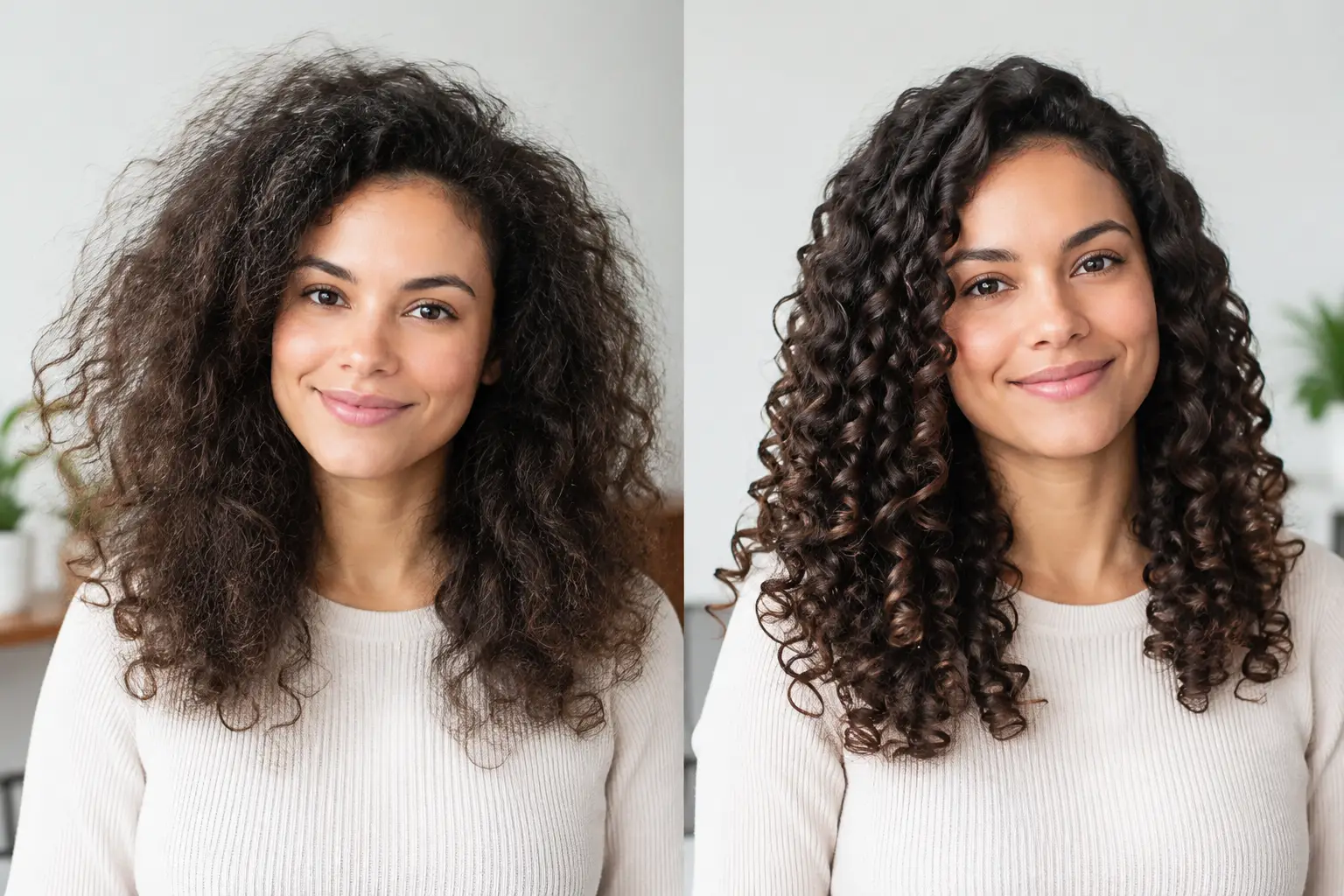
Fine hair can absolutely wear extensions, but it usually benefits from lighter density, careful sectioning, and a method that does not overload fragile areas. Thick hair may need more hair for a seamless blend, especially when adding significant length. Curly and textured hair needs a texture match that honors its natural movement, not an extension that forces a daily battle with heat tools.
Your current hair health also matters. If you are recovering from breakage, postpartum shedding, scalp irritation, or a major color correction, a stylist may recommend a restorative plan before installing extensions. That is not a missed opportunity. It is expert care. Healthy natural hair gives extensions their best canvas.
Choose Quality You Can See and Feel
Human hair extensions generally offer the most natural movement and styling versatility. They can be curled, straightened, and colored with professional guidance, though they still need gentler care than hair growing from your scalp. Synthetic hair can be budget-friendly for occasional wear, but it usually has less flexibility with heat and can look less natural over time.
For longer-term wear, ask about the hair’s cuticle alignment and sourcing. High-quality, cuticle-aligned human hair tends to resist tangling better and retains a softer finish when properly cared for. Lower-quality hair may look lovely on installation day but become dry, matte, or difficult to brush sooner than expected.
Do not judge quality by a swatch alone. Ask how the hair will behave after washing, whether it can be toned or customized, how long it is expected to last, and what products it needs. Premium hair costs more upfront, but replacing inexpensive hair repeatedly can become the less economical choice.
Match the Extensions to Your Real Routine
Extensions ask a little more of you, and the best results come from routines that are realistic. You will need to brush gently, sleep with dry hair, use professional products, and keep conditioners and masks away from attachment areas when your stylist advises it. Swimming, workouts, beach days, and blowouts are all possible, but they require a bit of planning.
If you wash daily, go to hot yoga, spend weekends in the pool, or travel constantly, say so. Those details help determine the right method and care plan. There is no shame in wanting beautiful hair with minimal upkeep. It simply may mean choosing a temporary option, less length, or an installation that works better with your lifestyle.
Also consider your styling preferences. Extensions can make a blowout feel luxurious and give curls more staying power, but they add drying and styling time. If you air-dry most days, your texture match becomes even more important. If you love a sleek, high ponytail, tell your stylist before placement begins.
Budget for the Full Experience
Extension pricing includes more than the initial hair purchase and installation. Plan for move-up appointments or removal, at-home products, styling tools, and eventual replacement hair. The exact investment depends on the method, amount of hair, length, color customization, and how carefully you maintain it.
A clear consultation should make those costs understandable before you commit. Ask what is included, how often you will return, whether the hair can be reused, and what happens if you need a color adjustment. The goal is not to choose the cheapest option. It is to choose an option you can maintain comfortably, because consistency protects both your investment and your natural hair.
Your Consultation Should Feel Collaborative
The right salon experience is not a quick sale. It is a shared plan. Bring inspiration photos, but be open to your stylist explaining what will translate best for your hair type and face-framing cut. The most flattering extension transformation may be softer, more dimensional, or more gradual than the photo that first caught your eye.
At Bliss Salon & Spa, that conversation is where the magic starts: your voice, professional expertise, and a plan built around hair you will genuinely love wearing. A trusted extension specialist should explain the method, maintenance, home care, and realistic outcome in clear language, while making you feel comfortable asking every question.
The right extensions should support your life, not take it over. Choose a method and maintenance plan that lets you enjoy the confidence of fuller, longer, beautifully blended hair while keeping your natural hair healthy enough to love for the long run.


Comments