


.png)
.jpg)

How to Choose Balayage That Flatters You

The prettiest balayage is not always the brightest blonde or the most dramatic before-and-after. It is the color that makes your skin look fresh, gives your cut movement, and still feels like you when you catch your reflection three weeks later. Learning how to choose balayage starts with looking beyond the inspiration photo and considering your natural color, hair history, lifestyle, and the kind of maintenance you truly want.
Balayage is a hand-painted highlighting technique, but there is no single balayage look. It can be soft and sun-kissed, rich and caramel-toned, dimensional brunette, bright near the face, or nearly blonde from root to end. The right version should be customized around you - not copied exactly from someone with completely different hair.
Start With the Result You Want to See
Before choosing a shade, decide what you want your hair color to do for you. Are you hoping to look naturally lighter after a season in the Florida sun? Do you want more depth in fine hair? Are you growing out old highlights and ready for a softer, more polished blend? Or are you craving a noticeable color change without committing to traditional all-over blonding?
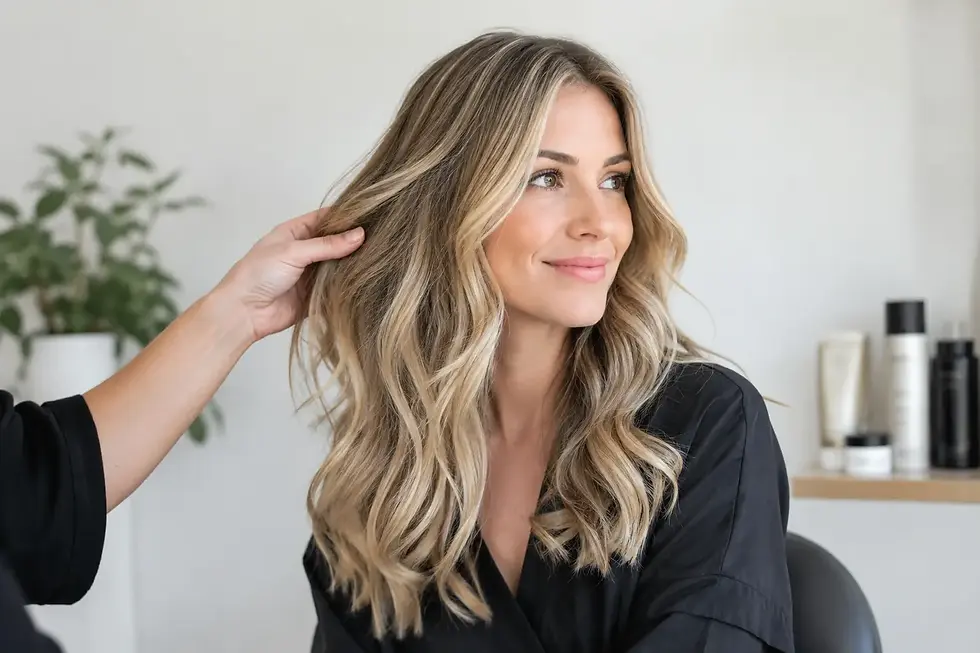
Bring inspiration images, but choose them carefully. Look for photos featuring hair with a similar starting depth, texture, and length to yours. A creamy beige blonde on naturally light, fine hair will process and reflect light differently than it will on dark brown, dense curls. An expert color consultation translates the feeling of an inspiration photo into a look that works on your own hair.
It also helps to describe what you do not want. If you dislike warmth, say so. If you want brightness but do not want a heavy stripe of color at the root, mention that. If you are nervous about looking too blonde, a softer lived-in balayage with a deeper root can give you dimension without taking away your brunette identity.
Choose Balayage for Your Natural Base Color
Your natural base is one of the biggest factors in how dramatic balayage can be in one appointment. The farther the color needs to lift, the more time, processing, and care it may require to keep the hair feeling healthy and looking refined.
Blonde and Light Brown Hair
If your natural hair is blonde or light brown, balayage can create delicate brightness with very soft regrowth. Think sandy beige, champagne, honey, or cool pearl tones, depending on your skin tone and preference. Fine ribbons of lightness can make hair appear fuller without looking overly highlighted.
For naturally lighter hair, the main decision is often how bright you want the ends and face frame to be. A subtle balayage is ideal when you want movement and shine. A higher-impact blonding service may be better if you want a more obvious transformation or a brighter overall effect.
Medium and Dark Brown Hair
Balayage on brunette hair can be incredibly polished because it creates contrast while preserving depth at the root. Caramel, toffee, cinnamon, mocha, and golden beige can add warmth and softness. Cooler mushroom brown and ash-toned ribbons can work beautifully too, but may require more careful lifting and toning to avoid unwanted warmth.
The trade-off is simple: the lighter you want to go from a dark base, the more likely your color will need multiple sessions to reach a clean, even result. A skilled colorist will help you set a realistic path that protects the condition of your hair instead of rushing toward a shade it is not ready to hold.
Red, Copper, and Warm Bases
Warm-toned balayage can look luminous in Boca Raton light. Copper, amber, strawberry, and warm honey pieces can enhance a red or golden base rather than fighting it. If you prefer a more neutral result, your colorist can balance warmth with strategically placed tonal contrast.
Do not assume all warmth is a mistake. The right warmth can make the complexion glow. The goal is to choose a tone that feels intentional, not brassy.
Let Your Skin Tone Guide the Shade, Not Limit It
Skin tone is a helpful starting point, not a strict rulebook. Cool skin undertones often pair beautifully with beige, pearl, smoky brown, and ashier tones. Warm undertones can glow with honey, gold, caramel, and copper. Neutral undertones have flexibility and can wear a wide range of shades depending on the desired finish.
Your wardrobe, makeup habits, and jewelry preferences can offer clues as well. If you always reach for gold jewelry and bronzy makeup, a warm balayage may feel effortlessly harmonious. If you love crisp white, black, silver, and cooler makeup, a neutral or cooler finish may feel more like home.
That said, placement often matters as much as tone. A slightly warmer face frame can brighten your features, while a more neutral overall blend keeps the color sophisticated. During a personalized consultation, your stylist can hold color swatches near your face and talk through what will make your complexion look most radiant.
Think About Placement and Your Haircut
Balayage should enhance the way you wear your hair. On long layered cuts, painted brightness through the mid-lengths and ends emphasizes movement and gives waves that expensive, undone dimension. On a blunt bob, a more controlled blend can prevent the ends from looking too solid or overly light. On curly and textured hair, strategic placement allows the color to pop exactly where the curl catches the light.
Face-framing pieces deserve special attention. A brighter "money piece" can be glamorous and instantly illuminating, but it is not mandatory. Some clients love a bold pop around the face, while others prefer a more delicate melt that blends quietly into the rest of the color. If you wear your hair pulled back often, ask for placement that still looks beautiful around the hairline and through the ponytail.
Your part matters, too. Balayage is painted according to how the hair falls, so tell your stylist whether you consistently wear a center part, deep side part, extensions, or natural texture. Those details shape the finished look.
Be Honest About Maintenance
One reason balayage is so popular is that it can grow out softly. But low-maintenance does not mean no-maintenance. Toners fade, blonde pieces can become warm, and healthy-looking color depends on at-home care.
A soft brunette balayage may only need an occasional gloss and refresh between larger color appointments. A bright blonde balayage, especially on naturally dark hair, may need toning more often to maintain the clean shade you love. If gray coverage is also a priority, you may need root color on a separate schedule, even if your balayage itself looks great for months.
Consider your real routine. Do you swim frequently, spend weekends outdoors, heat-style daily, or use professional haircare consistently? Chlorine, sun exposure, hard water, and hot tools can shift color and affect shine. Your stylist can recommend a maintenance plan that fits your calendar, whether that means a subtle grow-out or a brighter look maintained with regular gloss appointments.
Share Your Hair History Before You Choose
Previous color changes the conversation. Box dye, dark permanent color, old highlights, keratin treatments, extensions, and even certain medications can affect how hair lifts and holds tone. Being transparent is not about judgment. It gives your colorist the information needed to protect your hair and make a smart plan.
If you have very dark artificial color on your hair but want icy blonde balayage, the answer may be a gradual transition rather than a single appointment. If your ends are porous from previous lightening, your stylist may suggest a trim, bond-supporting care, or a richer tonal direction before adding more brightness. Beautiful color looks best when the hair underneath has strength and shine.
How to Choose Balayage at Your Consultation
A great consultation should feel collaborative. You talk, your colorist listens, and together you create a plan based on what is achievable, flattering, and comfortable for you to maintain. At Bliss Salon & Spa, that conversation can include your color history, goal photos, skin tone, daily styling routine, haircut, and future plans such as vacations, events, or a gradual move toward blonde.
Ask your stylist what level of brightness is realistic for your first visit, how the color will soften as it grows, and what appointments you should expect afterward. Ask whether a gloss, root melt, face frame, or partial balayage would help you get the result you want without overprocessing your hair. These are not small details - they are what turn a pretty color idea into a color you can love living in.
Balayage should feel personal, polished, and easy to wear. Choose the version that complements your features, respects your hair’s condition, and fits the life you actually lead. When your color plan is built around those three things, every mirror check can feel like a good hair day.


Comments